c. 470 BCE – c. 200 CE
Mohism
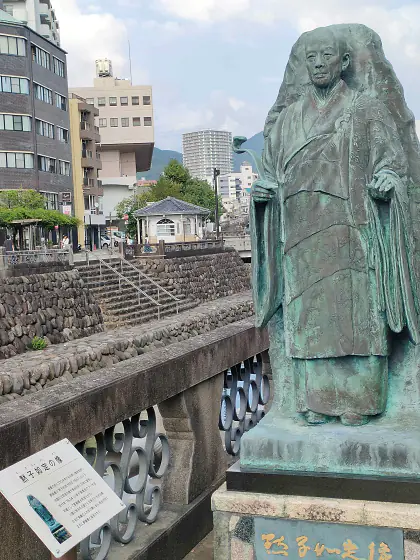
The school Mo Pai claims descent from: impartial care, siege engineering, optics, ghosts, an argument that the money spent on music would be better spent on the hungry — and no internal cultivation whatsoever.
Background
The history the timeline names in a line each: the school Mo Pai claims, the texts that came before it, the alchemy its vocabulary is actually borrowed from, and the century that shaped where it ended up.
c. 470 BCE – c. 200 CE
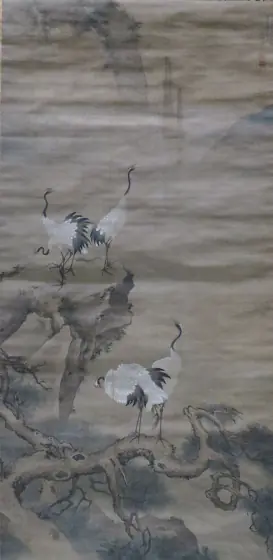
The school Mo Pai claims descent from: impartial care, siege engineering, optics, ghosts, an argument that the money spent on music would be better spent on the hungry — and no internal cultivation whatsoever.
c. 4th century BCE
The oldest surviving Chinese text on cultivating qi — four centuries before alchemy, and startlingly close to what Mo Pai asks a beginner to do.
c. 4th century BCE
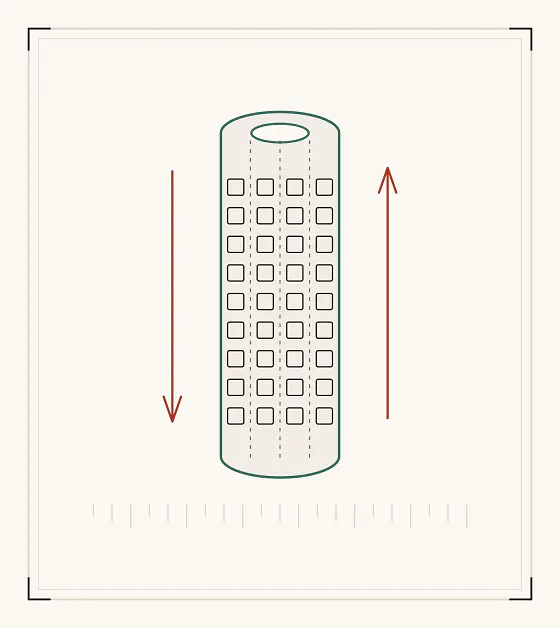
Forty-five characters cut into a twelve-sided piece of jade, describing the circulation of breath — the earliest physical evidence of the practice.
168 BCE
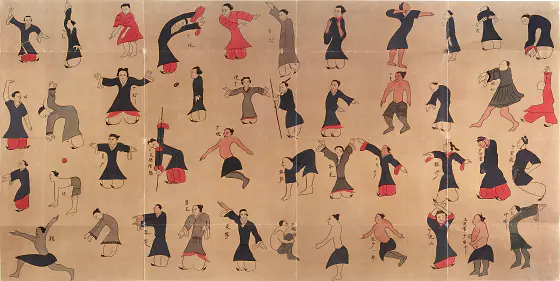
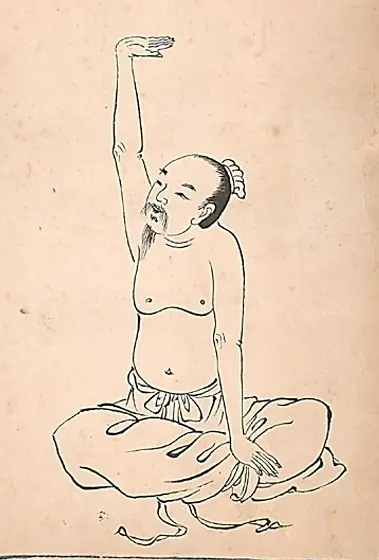
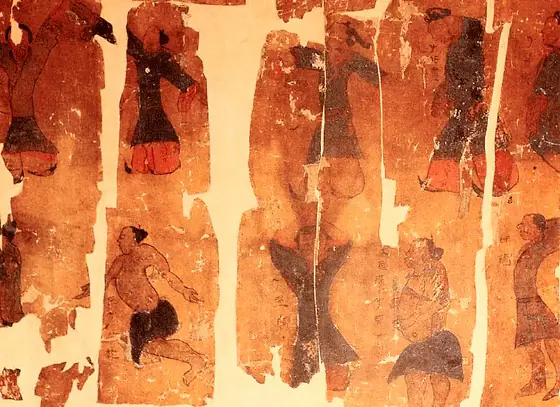
Forty-four painted figures from a tomb sealed in 168 BCE: the oldest picture of the exercise tradition that becomes qigong.
142 CE
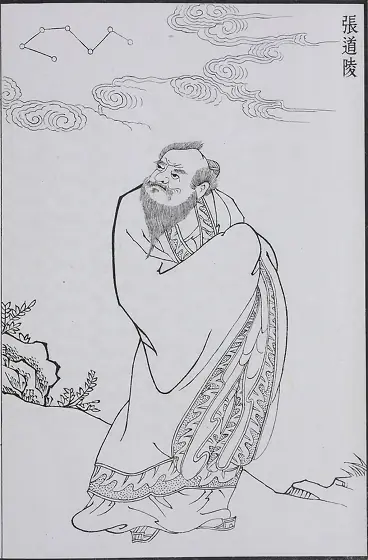
The year Taoism became a religion with priests, parishes and a liturgy — and the apparatus Mo Pai claims none of.
c. 2nd century BCE – 10th century CE
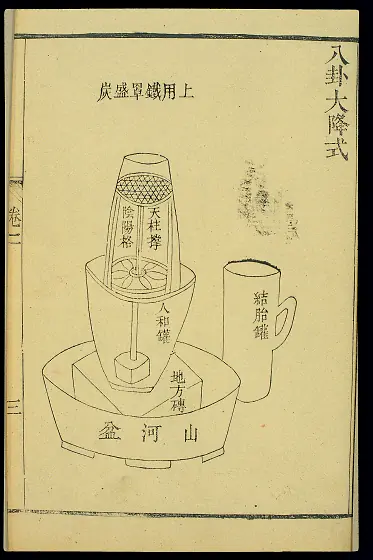
Before the elixir was internal it was a substance, made in a furnace out of cinnabar and lead — and the vocabulary Mo Pai uses is that laboratory's.
c. 700 – 1300 CE
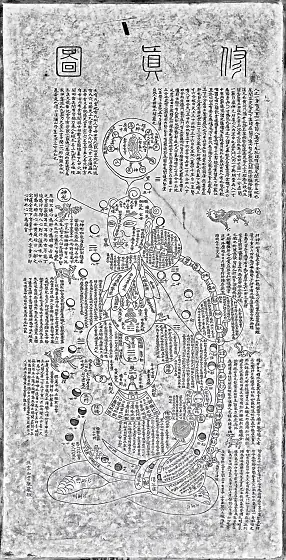
Internal alchemy: where every technical term Mo Pai uses actually comes from, developed a thousand years after Mozi.
1170 CE onward
The monastic order built around internal alchemy — the institutional home of Mo Pai's methods, and everything Mo Pai does without.
1950s
A 1950s hospital coinage that let a religious practice continue as physiotherapy — and the word Mo Pai pointedly does not use.
15th century onward
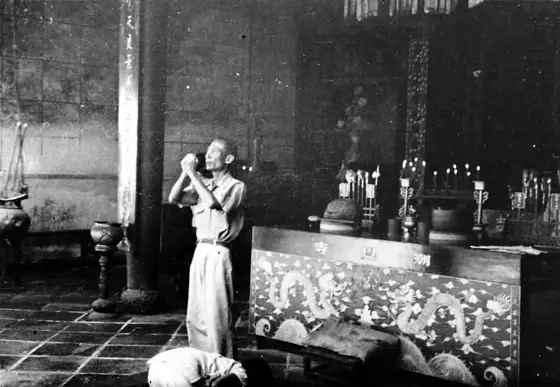
The diaspora the lineage is said to have travelled with: centuries of settlement, its temples, and its habit of keeping things inside the community.
1965 – 1998
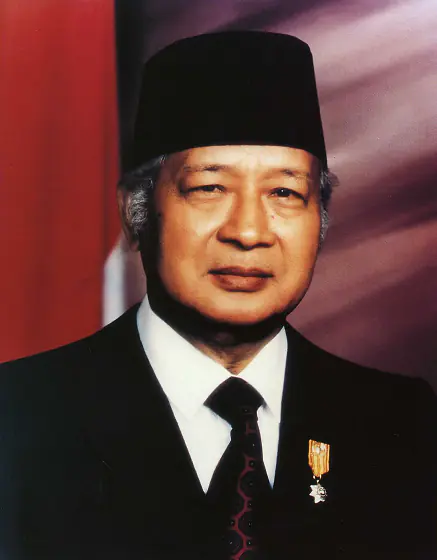
Mass killing in 1965, then three decades in which Chinese language, names and public practice were suppressed in Indonesia.
15th century – present
The living transmissions that teach the same internal material Mo Pai does — with temples, ordination, published curricula and named teachers behind them.
Myth; the system from the 2000s
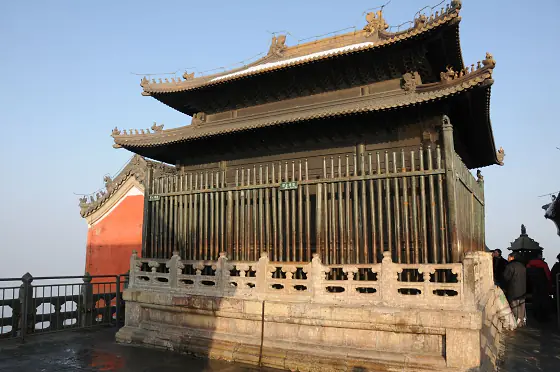
A mythic mountain, and the name a modern Western-taught system borrowed from it — Mo Pai's closest rival for the same audience in the 2000s.
20th century – present
The wider field of contemporary internal systems — some with real transmission, some assembled last decade — and the pattern that runs through them.
1979 – 1999
The Chinese mass movement of the 1980s and 90s — the environment the 1988 footage was broadcast into, and the crash that ended it.