Mo PaiArchive

Biography

People of the Mo Pai Story

The figures of the tradition itself — one of them solidly historical, one filmed once, the rest known through the accounts of people who admired them — and the classical writers and teachers whose work the archive quotes on every other page.

The Mo Pai story

The people the claims are about, and the people the claims reach us through.

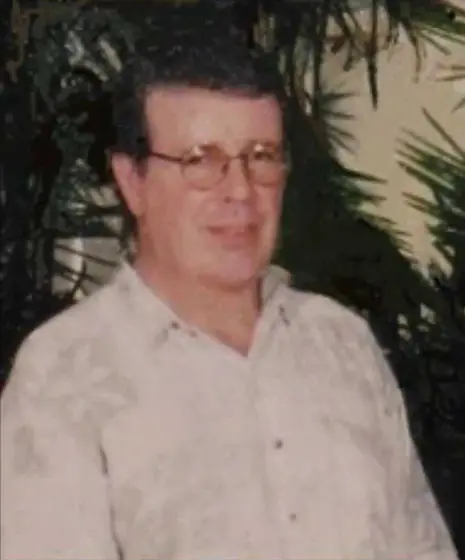
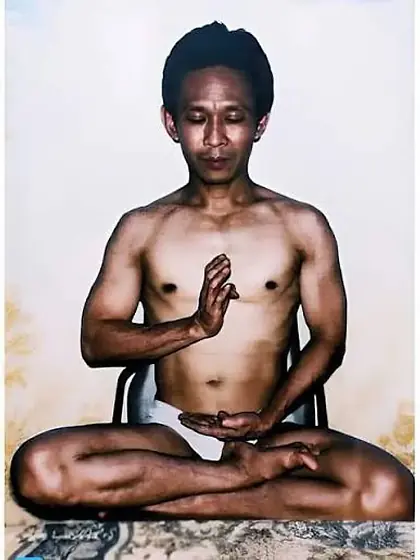
John Chang

Fourth-generation Mo Pai inheritor (claimed) · c. 1940 – late 2010s

The central figure. An Indonesian Chinese-Javanese businessman, acupuncturist, and healer who became, entirely against his own wishes, the most famous internal-energy practitioner of the twentieth century. Described consistently as ordinary, blunt, funny, reluctant, and deflationary about his own attainment — level 4 of 72, by his own accounting. "John Chang" is a convenience; he took care that his real name and location stayed obscure.
Read more →

Liao Sifu

Chang's teacher; third-generation inheritor (claimed) · Unknown

A Chinese immigrant in Java said to have carried the transmission and taught Chang. Almost nothing is known of him beyond his students' accounts. He is described as having forbidden transmission outside the Chinese community — a prohibition Chang broke — and as having been surpassed by his own student.

Read more →

Kosta Danaos (Kostas Dervenis)

Student; author of the founding Western texts · Contemporary

A Greek engineer who sought Chang out in the 1990s, was accepted, and wrote The Magus of Java (2000) and Nei Kung (2002) — the books that made Mo Pai a subject of Western interest at all. Nearly everything the world knows about the level structure, the biography and the demonstrations traces back to his account of his own apprenticeship. Has published later work under the name Kostas Dervenis.

Read more →

Jim McMillan

Student · Contemporary

An American student who trained with Chang and subsequently wrote and taught about the experience, providing a second inside perspective on the same period. Students of the same teacher agreeing with each other is not independent corroboration, but it is not nothing either.

Read more →

Lorne and Lawrence Blair

Documentary filmmakers · Ring of Fire, 1988

Made the decade-spanning Indonesian documentary series that contains the Dynamo Jack segment. Not paranormal investigators — which is exactly why the footage carries the credibility it does, and exactly why it establishes less than people assume. Lawrence Blair has discussed the encounter in later interviews and has not recanted. They removed the segment at Chang's request.

Read more →

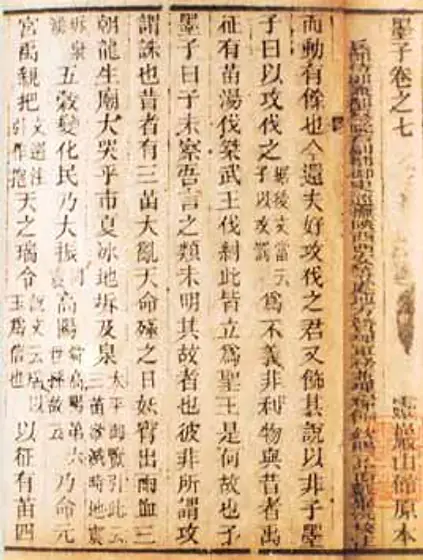
Mozi (Mo Di)

Claimed founder · c. 470 – c. 391 BCE

A genuine and major historical figure: philosopher of impartial care, pioneer of Chinese logic and optics, and leader of a disciplined corps of military engineers who specialised in making cities too expensive to besiege. That he existed and led a martially capable organisation is solid history. That his school practised internal energy cultivation is unsupported by anything in the Mohist canon.

Read more →

The classical tradition

Named constantly across this archive, and until now assumed to need no introduction: the authors of the texts the reconstructions are drawn from, the founders of the institutions Mo Pai is compared with, and the figures its own lineage claim runs back to.

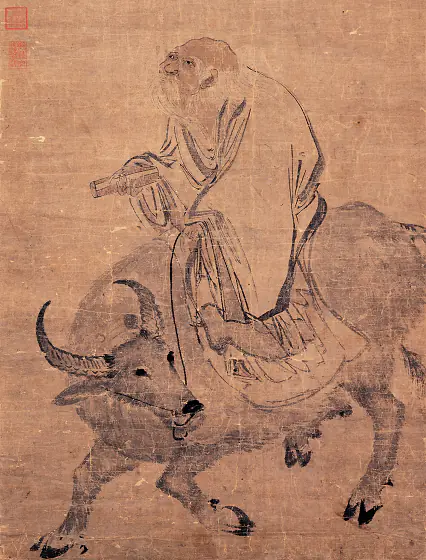
Laozi

Attributed author of the Daodejing · Traditionally 6th century BCE

The name attached to the Daodejing, and the figure the Taoist religion later made a god of. Whether he existed as one person is unsettled and probably unanswerable; what is certain is that the text under his name became the most translated book in Chinese, and that the religion founded five centuries later did so on the authority of his revelation.

Read more →

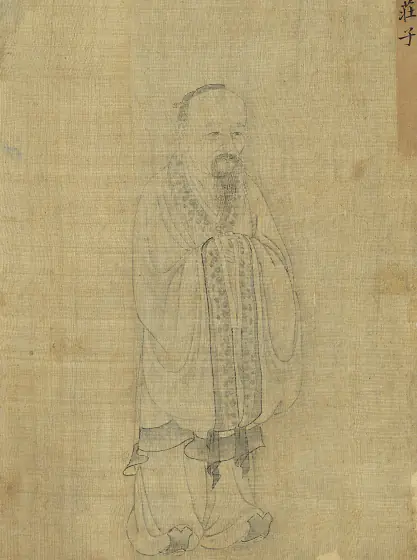
Zhuangzi

Philosopher; author of the inner chapters · c. 369 – c. 286 BCE

Zhuang Zhou, whose book is the funniest and strangest thing in early Chinese philosophy, and the source of two descriptions this archive keeps returning to: the true person who breathes with their heels, and "sitting and forgetting".

Read more →

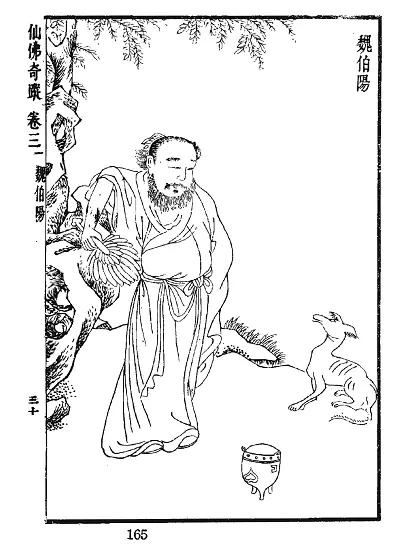
Wei Boyang

Attributed author of the Cantong qi · Han dynasty, 2nd century CE

The name attached to the founding text of Chinese alchemy. The Cantong qi is written obscurely enough that both the external and the internal traditions could read it as their own charter, and both did.

Read more →

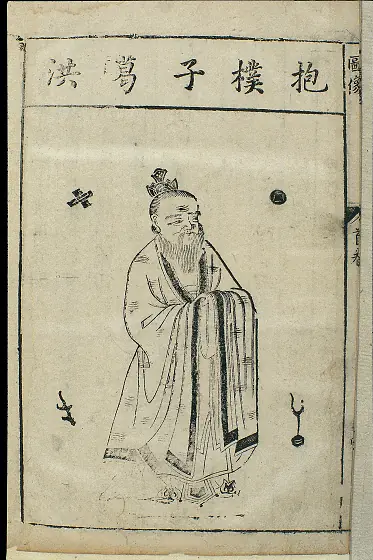
Ge Hong

Alchemist; author of the Baopuzi · 283 – 343 CE

The best witness to what Chinese alchemists actually did. His Baopuzi describes the ingredients, the apparatus, the retreat into the mountains and the transmission conditions, in the detail of somebody reporting a practice rather than praising one.

Read more →

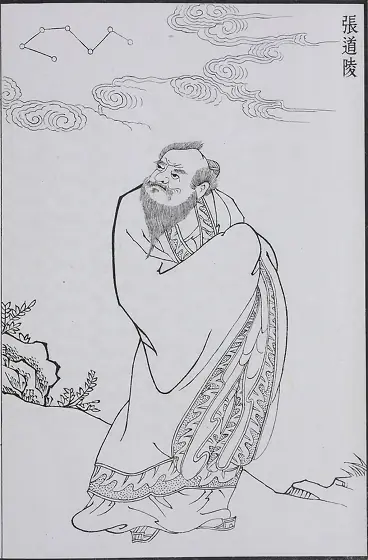
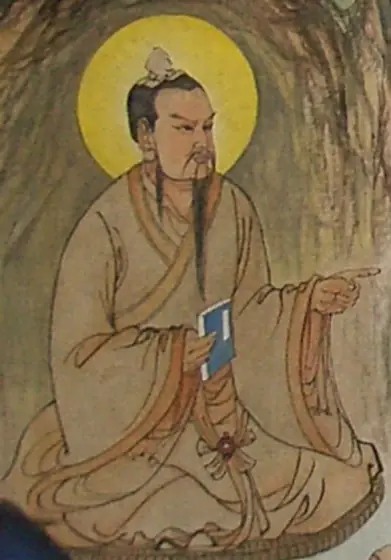
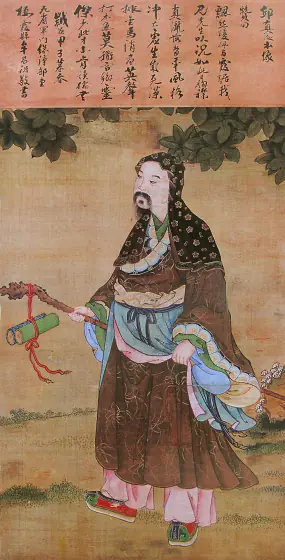
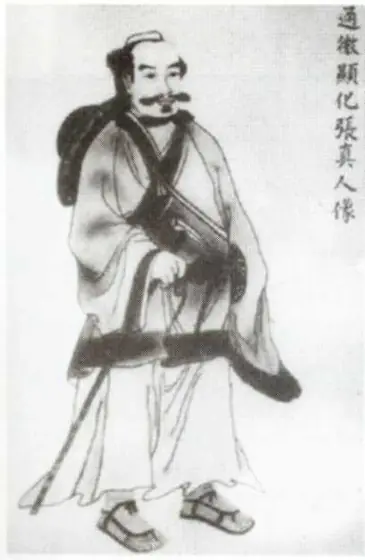
Zhang Daoling

Founder of the Way of the Celestial Masters · 34 – 156 CE (traditional)

In 142 CE he reported a revelation from the deified Laozi and founded the first organised Taoist church. Every ordination lineage in the religion traces back through him — and Mo Pai claims none of them.

Read more →

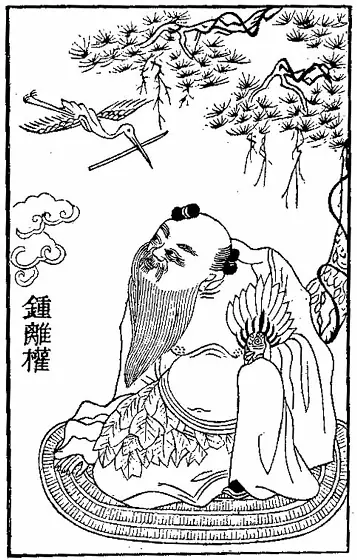
Zhongli Quan

Immortal; the teacher of the Zhong-Lü pairing · Legendary; Han in the tradition

One of the Eight Immortals, and the teacher in the Zhong-Lü material — the Tang and Song corpus that is the first systematic step-by-step account of internal alchemy.

Read more →

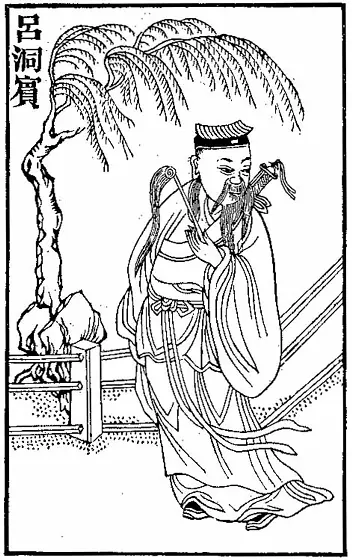
Lü Dongbin

Immortal; the student of the Zhong-Lü pairing · Traditionally b. 796 CE

The most popular of the Eight Immortals, the student half of the Zhong-Lü pairing, and the figure later lineages — including Quanzhen — most often name as their patriarch.

Read more →

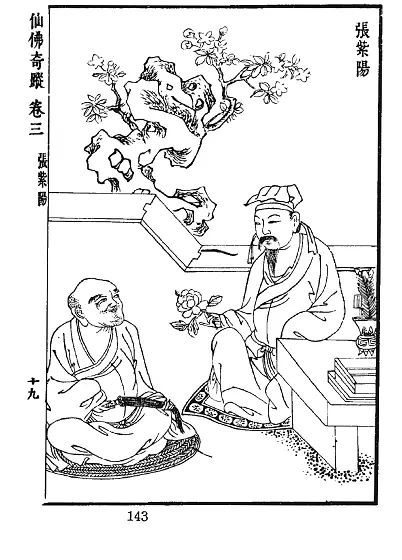
Zhang Boduan

Author of the Wuzhen pian · 987 – 1082

The founder of the Southern lineage of internal alchemy, and the author of the verse classic that is sharpest on the difference between the yin spirit and the yang spirit — the error this archive keeps flagging.

Read more →

Wang Chongyang

Founder of the Quanzhen school · 1113 – 1170

Founder of Quanzhen, "Complete Perfection" — the monastic, celibate order built around internal alchemy, and the institutional home of the methods Mo Pai teaches without any institution at all.

Read more →

Qiu Chuji

Founder of the Longmen (Dragon Gate) branch · 1148 – 1227

The disciple who turned Quanzhen into a national institution, and the founder of the Dragon Gate branch whose neigong is the closest documented relative of the Mo Pai method.

Read more →

Zhang Sanfeng

Legendary founder of the internal martial arts · Traditionally 12th–14th century

The figure to whom taijiquan and the internal martial arts are traditionally attributed. The attribution is late, the evidence is thin, and the tradition built on it is entirely real — which makes him the archive's best case study in how lineage claims work.

Read more →

Wang Liping

Longmen lineage holder · b. 1949

A living holder of the Dragon Gate lineage, trained from boyhood by three elderly monks, and the subject of the one book in English that sets out a documented internal curriculum in the detail Mo Pai never publishes.

Read more →

Liu Guizhen

Populariser of the word "qigong" · 1920 – 1983

The man who put an old body of practice under a new, secular, medical name in the 1950s. Almost everything the world calls qigong reaches it through his relabelling — and Mo Pai's refusal of the word is a position on it.

Read more →