Life
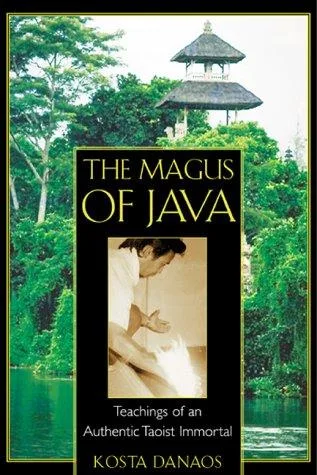
Nearly everything the world knows about Mo Pai arrives through one man's two books. Kosta Danaos — who has also published as Kostas Dervenis — is a Greek engineer with a background in the martial arts who sought Chang out in the 1990s, was accepted as a student, and then did the thing that changed the subject permanently: he wrote it down.
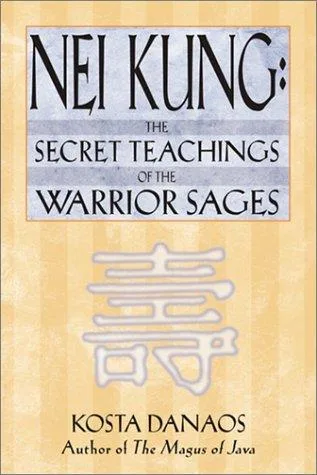
The Magus of Java appeared in 2000, and Nei Kung: The Secret Teachings of the Warrior Sages in 2002. Between them they supply the level structure, the seventy-two-rung ladder, the biography, the demonstrations, the training conditions, and the framing through which every later account has been read. Strip them out of this archive and what remains is four minutes of television and some forum posts.
The books have a particular character worth knowing before reading them. Danaos writes as a student and an enthusiast rather than as a historian: he is present in the narrative, he is persuaded, and he reaches for physics — capacitance, bio-electricity, field effects — to explain what he describes. That reaching is itself a significant fact about the subject, because the electrical vocabulary that now saturates Mo Pai discussion largely enters through him rather than through the tradition.
He has been criticised from inside the community for publishing at all, on the grounds that the tradition's own rules forbade it and that the consequences fell on his teacher. That criticism is not unreasonable. Neither is the observation that without the books there would be no community to make it.