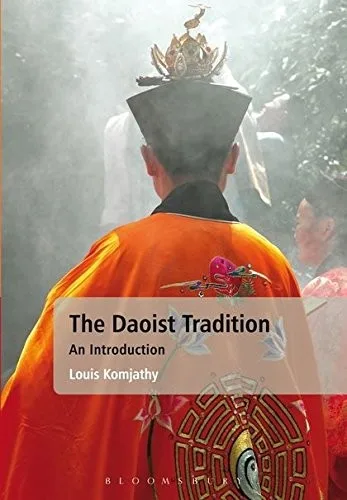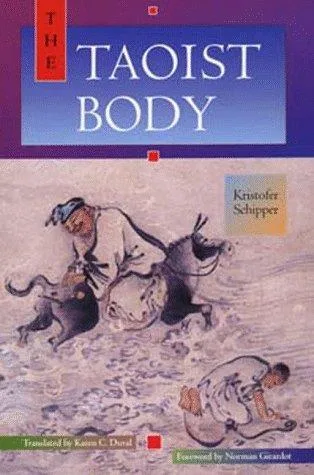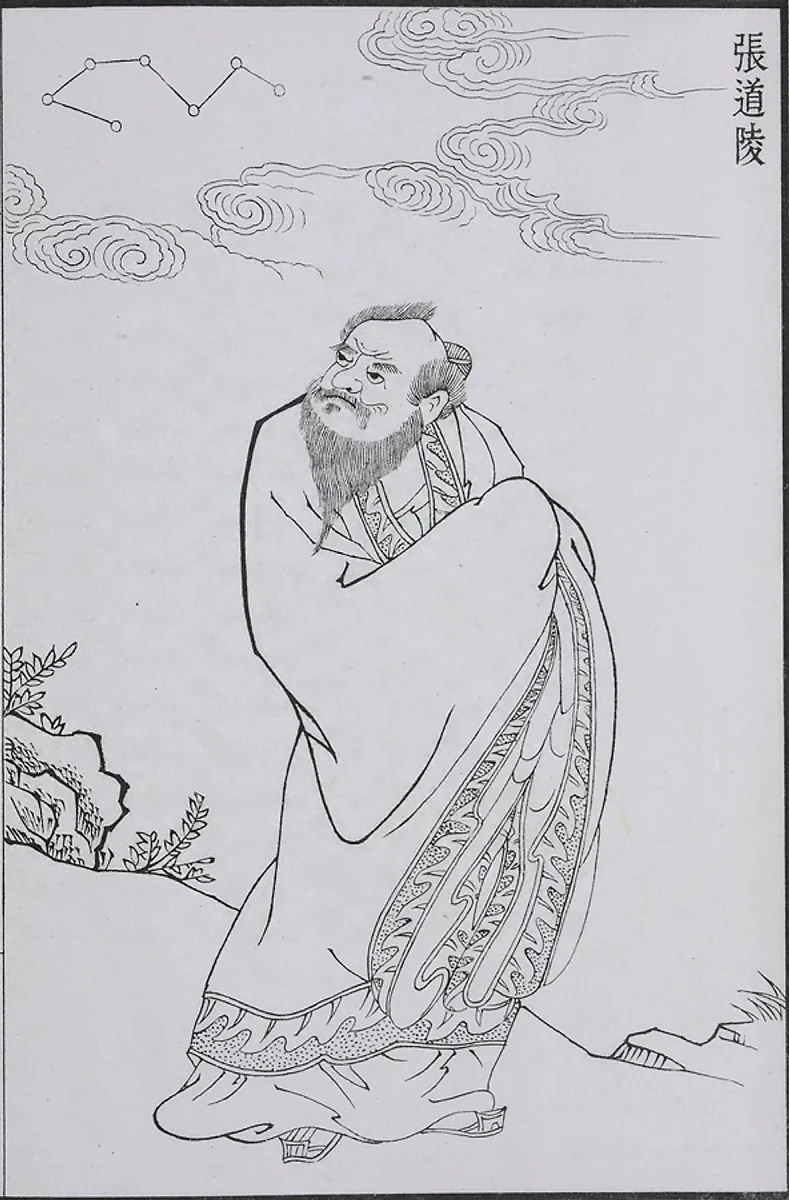
In 142 CE, on a mountain in Sichuan, a man named Zhang Daoling reported that the deified Laozi had appeared to him and appointed him representative on earth. Whatever one makes of the event, its consequences are not in doubt: it is the founding moment of organised Taoism, and every ordination lineage in the religion since traces itself back through it.
What was founded
The movement is called the Way of the Celestial Masters (天師道), and by its critics the Way of the Five Pecks of Rice, after the contribution expected of members. It had the features a religion has and a philosophy does not. Territory was divided into parishes, each under a libationer who was an appointed officer rather than a holy man. Members were registered, and the register was a document with a person's name, standing and protective spirits on it. Illness was understood as a consequence of misconduct and treated by confession and by written petitions submitted to the celestial bureaucracy — literally filed, sometimes burned to deliver them. There were fasts, communal rites, and a calendar.
For a period it was also a state. Zhang Daoling's grandson Zhang Lu governed a religious polity in the Hanzhong valley that ran on these lines — with free lodging houses on the roads, penalties applied through confession and public works, and an administration staffed by libationers — until he submitted to Cao Cao in 215 CE and the movement dispersed across China, which is how it became national rather than regional.
The thing that keeps being confused
Almost everything a Western reader thinks of as "Taoism" comes from two sources that have very little to do with each other. One is the philosophical literature — the Daodejing, the Zhuangzi — written centuries before any of this. The other is the religion founded here: priesthood, liturgy, canon, ordination, temples, festivals, and an unbroken institutional history to the present day. Chinese distinguishes them as daojia and daojiao. English collapses both into one word and generates endless confusion.
It matters here because it locates Mo Pai precisely. Mo Pai has no liturgy, no priesthood, no ordination, no temple, no canon, no deities addressed in ritual, and no clergy of any kind. It is not a branch of daojiao, and it does not claim to be. What it shares with the religion is a technical vocabulary that the religion's alchemical literature developed and preserved — which is a real relationship, but a bibliographic one rather than an ecclesiastical one.