
Life
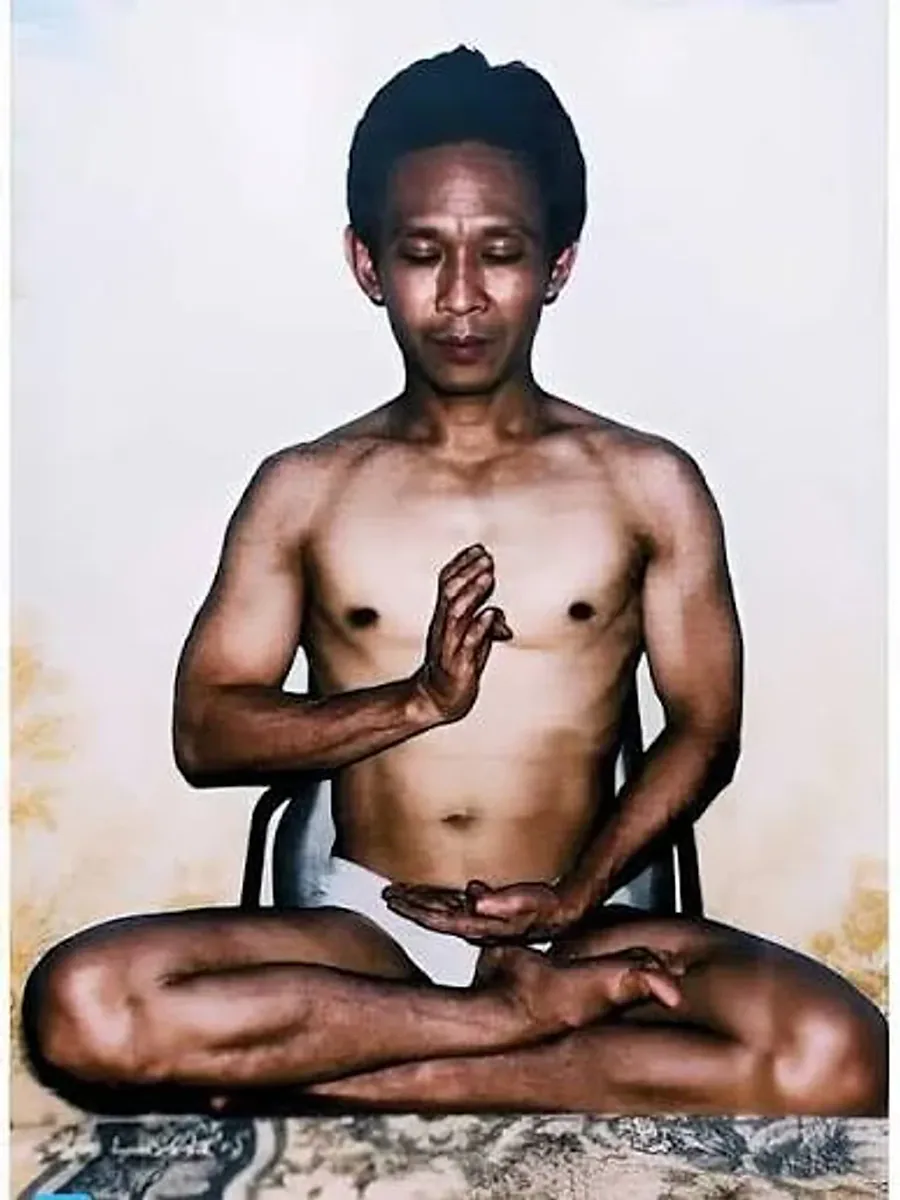
Almost nothing about John Chang can be stated in the way a biography normally states things. The name is not his. The dates are approximate. The town is not published, the surname is not published, and the two Western students who wrote about him at length both went out of their way to keep it that way at his request. What follows is assembled from their accounts and from the small number of people who met him, and every sentence in it rests on testimony.

What the accounts agree on is the ordinariness. He was a businessman in a Javanese town — accounts variously describe workshop and trading interests — of Chinese-Indonesian descent, married, with children, working long hours. He treated patients in the evenings, without needles and without charge, and by every description he regarded the treating rather than the training as the point. Visitors expecting a sage found a blunt, funny, impatient man who talked about his abilities the way a tradesman talks about a tool.
His training is said to have begun in the 1960s under Liao Sifu, an older Chinese immigrant, and to have ended with Chang holding the fourth generation of the transmission and no one above him to ask. He described himself as being at level 4 of 72 — a claim worth pausing on, because it is the opposite of the claim a self-promoter makes. Everything the world has seen him do, he placed at roughly five percent of the path.

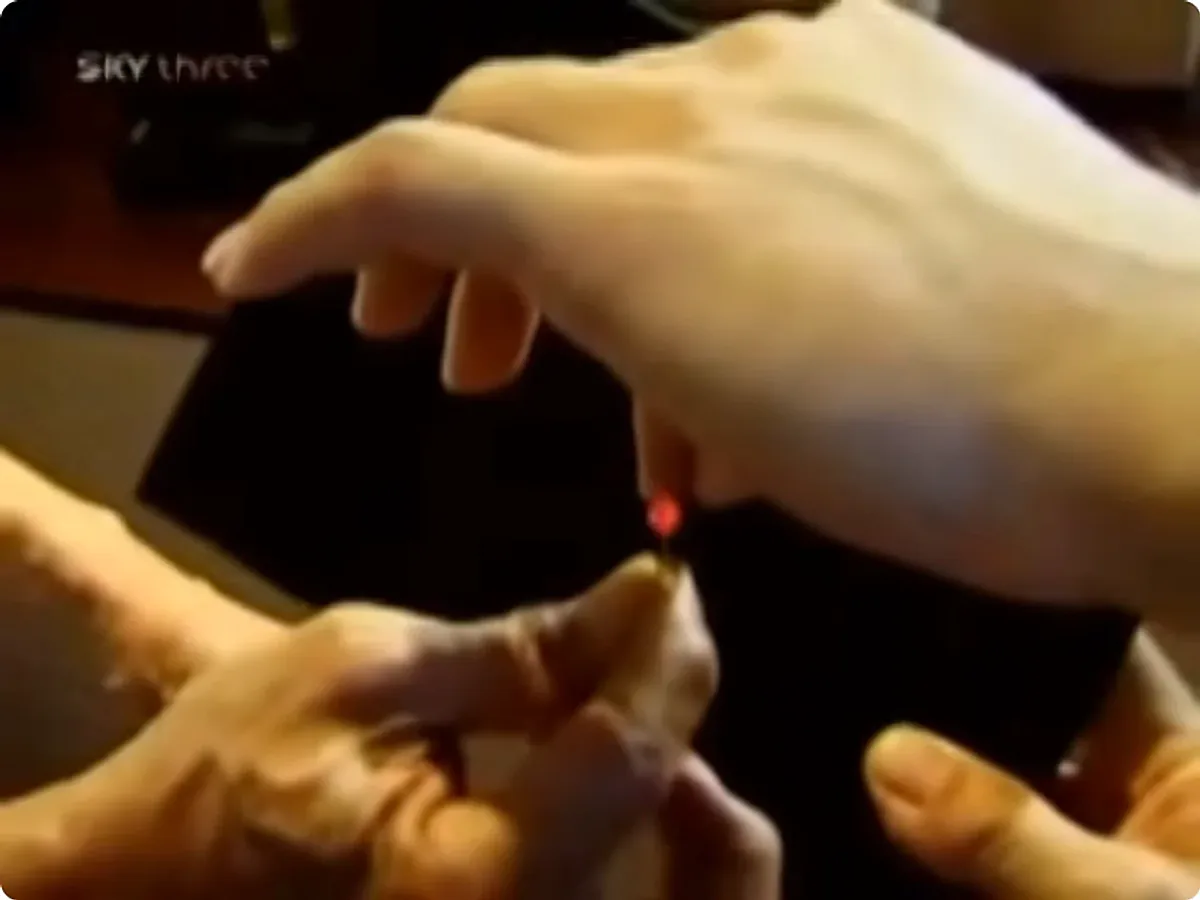
In 1988 the Blair brothers filmed him for a documentary series about Indonesia. He agreed on condition that he not be identified, and the segment went out under the name "Dynamo Jack". It made him famous in a way he had specifically tried to avoid, and at the height of the attention he asked for the material to be withdrawn. It was. That request is the single hardest fact in this subject for any straightforwardly deflationary reading of it: withdrawal cost him the publicity and cost the filmmakers their most remarkable sequence, and he made it anyway.
The books came later — Kosta Danaos's two, published in 2000 and 2002 — and converted a closed transmission into a global aspiration overnight. The consequences fell on Chang: applicants, seekers, letters, people arriving in Java. He accepted a very small number of Western students and turned away most of those who came, on the stated criterion of yuanfen rather than merit or payment. Accounts from the period describe him as increasingly weary of the whole business.
He is reported to have died in the late 2010s. No public record settles the date, no successor has demonstrated anything comparable, and the fifth generation the lineage would require has not appeared. What remains is the footage, two books, a scattering of student testimony, and a man who spent thirty years declining to be what everybody wanted him to be.