Two things share this name, and the older one is worth knowing before the newer one borrows its authority.
The mountain
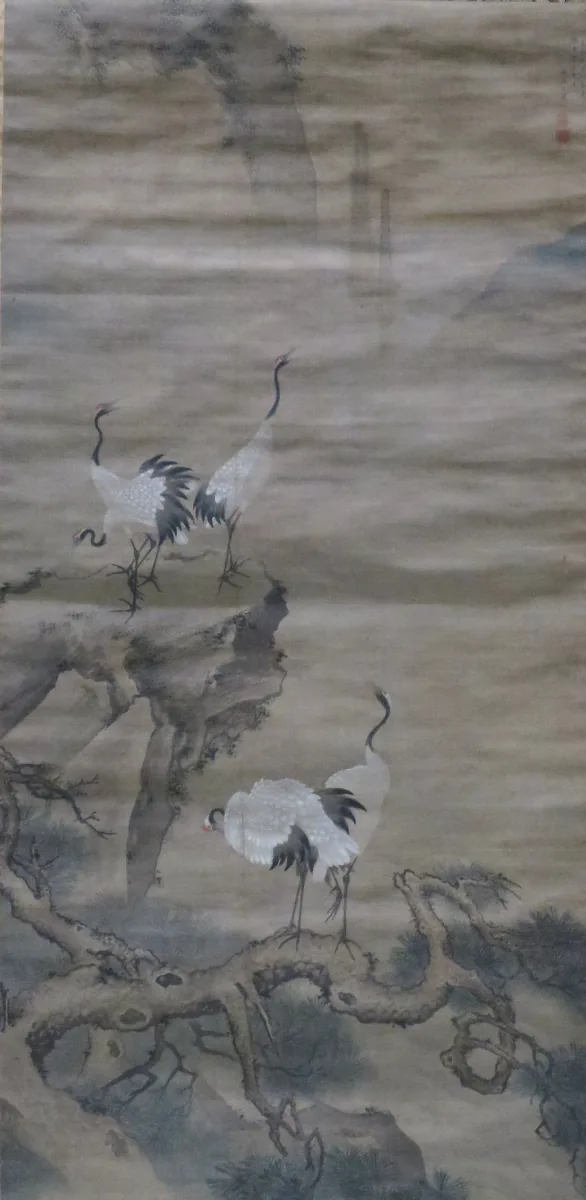
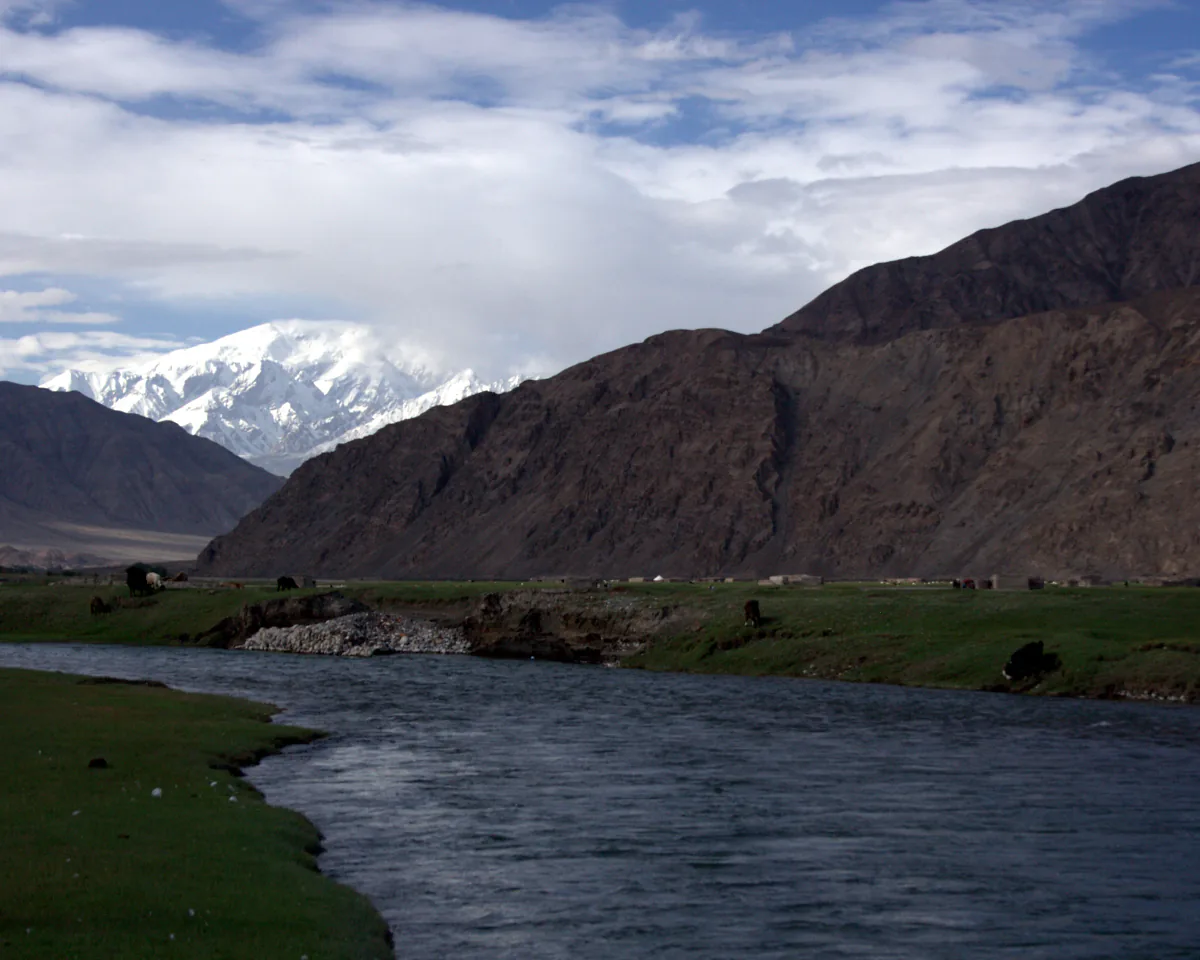
In Chinese myth Kunlun is the range at the centre of the world: a pillar joining earth to heaven, the residence of Xiwangmu, the Queen Mother of the West, and the garden where the peaches that confer immortality ripen on a schedule of millennia. It appears across the early literature as the destination of visionary journeys, and the immortality it holds is exactly the prize internal alchemy later relocated inside the practitioner's own body. There is also a real Kunlun, a genuine range along the northern edge of the Tibetan plateau, and the myth is not about it in any useful sense.
The system
The name resurfaced in the 2000s attached to a modern internal practice taught in the West, associated with Max Christensen and circulated through seminars, DVDs and forums. This archive has no inside knowledge of it and makes no assessment of what it does. What is documented is its position: it moved through the same online spaces as Mo Pai, at the same time, competing for the same readers, and the two communities were sharply critical of one another for years.
What makes it a useful comparison is the shape rather than the content. Kunlun was designed to be transmitted: weekend seminars, a teacher who travels, effects reported early rather than after a decade, and no requirement that a student be selected by fate. Mo Pai is the opposite on every one of those axes — no fee, no advertisement, no enrolment, entry by yuanfen, and a first level measured in years. Put side by side, the pair show how differently a tradition looks depending on whether it was built to be taught at scale or built to be withheld.