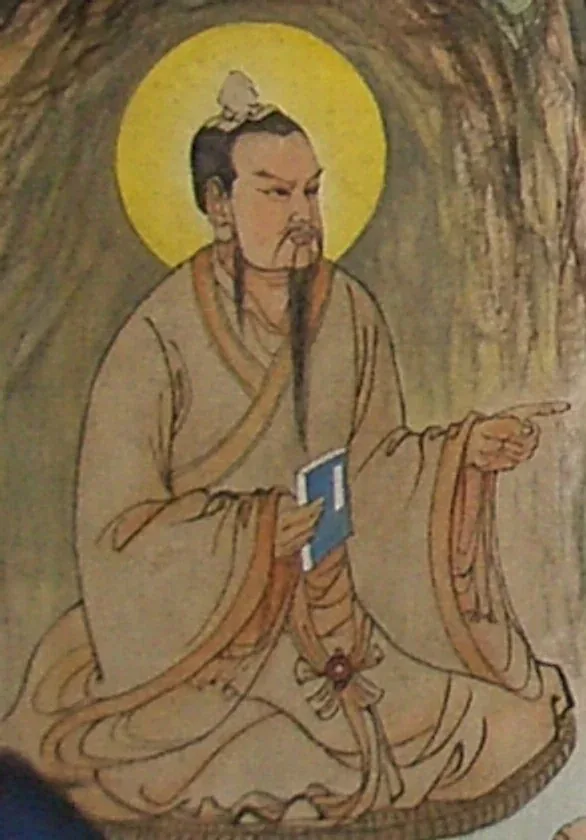
Wang Chongyang died in 1170, leaving behind seven senior disciples and a new order: Quanzhen (全真), "Complete Perfection". Within a century it was one of the two dominant institutions of Chinese Taoism, and it remains so. Its distinguishing feature, for the purposes of this archive, is that it organised monastic life around exactly the practices Mo Pai teaches.
What Quanzhen built
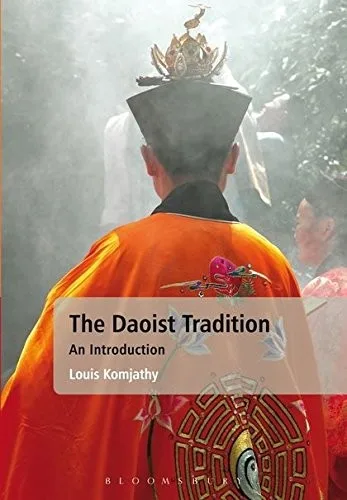
Monasteries, with a rule. Celibacy, vegetarianism and abstention from alcohol, which the older Celestial Masters priesthood — married, resident in the community — never required. A syncretic framework drawing openly on Buddhism and Confucianism as well as Taoism. Ordination, with grades and certificates. And at the centre of the training, internal alchemy: the refinement of essence into qi into spirit, worked over decades under supervision.
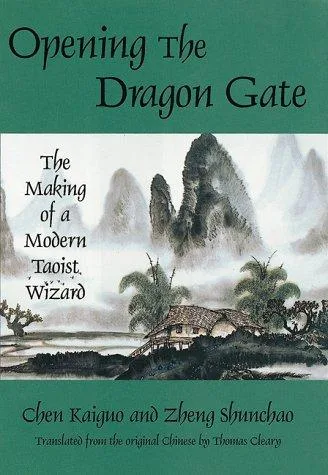
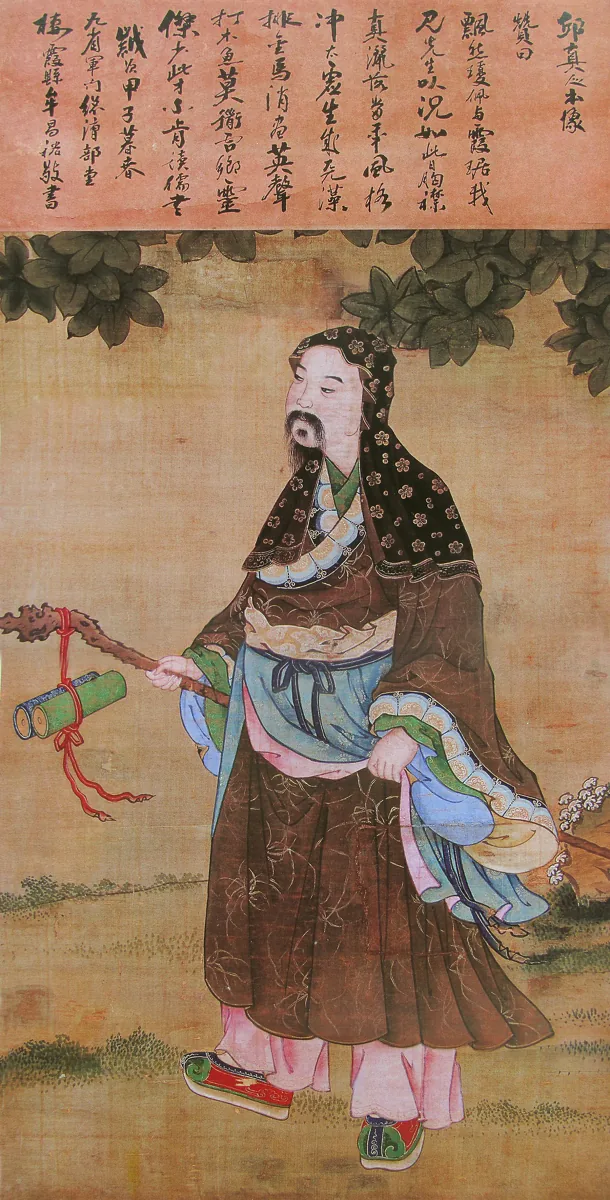
The best known of Wang's disciples, Qiu Chuji, founded the branch that matters most here — Longmen (龍門), the Dragon Gate. Qiu is also the reason Quanzhen became a national institution rather than a regional one: in his seventies he travelled several years across Central Asia to meet Genghis Khan, argued against unnecessary killing and in favour of governing rather than plundering, and returned with an imperial exemption from taxation and corvée for his order. It is the most consequential thing any Taoist ever did with a conversation.
The comparison this archive keeps making
Longmen is the control case for Mo Pai, because the methods are cousins and the institutions are opposites.
| Longmen | Mo Pai | |
|---|---|---|
| Method | Internal alchemy: fields, circulations, kan-li, embryo | Internal alchemy: fields, circulations, kan-li, embryo |
| Teacher | Ordained, in a documented lineage, with a certificate | One man, self-described, no documentation |
| Structure | Monastery, rule, calendar, community, supervision | A student and a teacher, and no institution at all |
| Text | A vast published commentarial literature | Two books by a student, and leaked sheets |
| Verification | Ordination grades within a recognised order | A teacher's hand on the abdomen, and nothing else |
Neither column is a verdict. An institution can preserve a method for eight centuries and also ossify it; a closed transmission can keep something alive that no committee would have approved. But the comparison explains most of what is strange about Mo Pai's modern situation. When a Longmen practitioner has a question, there is somewhere to take it. When an unsupervised Mo Pai practitioner has one, there is a forum.