Life
Mo Di — Mozi, "Master Mo" — is the only person in this archive whose existence is not in question, and the only one who has nothing to do with it.
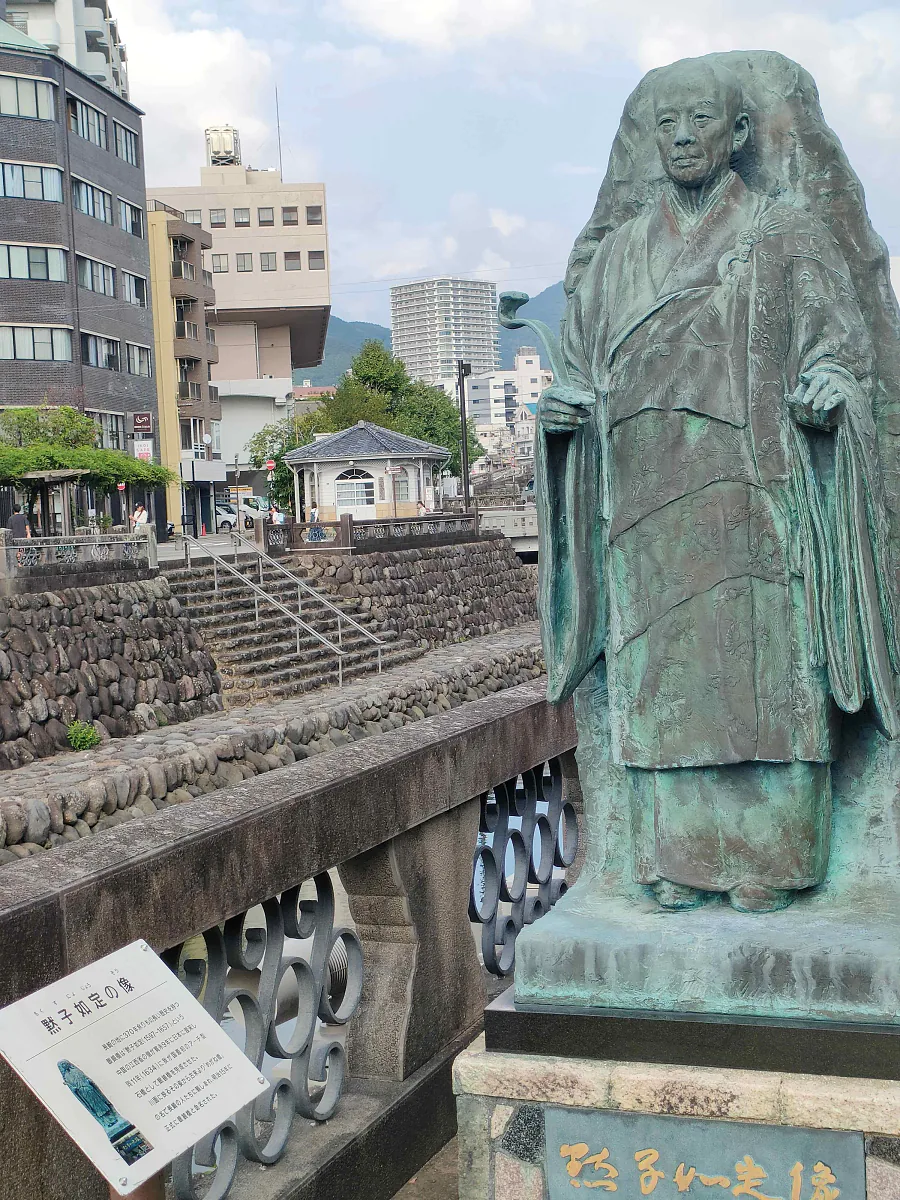
He lived roughly 470 to 391 BCE, in or near the state of Lu, probably from an artisan background rather than the scholar-official class. He founded the school that carries his name and, for two centuries, was the principal rival of the Confucians: the Mencius complains about the Mohists by name, which is the surest sign of how much ground they held.
What he taught was jian ai, impartial care — the argument that partiality is the root of harm, and that a person's claim on your concern does not diminish with distance from your own family. From it followed a condemnation of offensive war, a suspicion of expensive ritual and music, and an insistence on judging every practice by what it produces. He argued in a plain, repetitive, relentless prose that reads like somebody who considers persuasion an engineering problem.
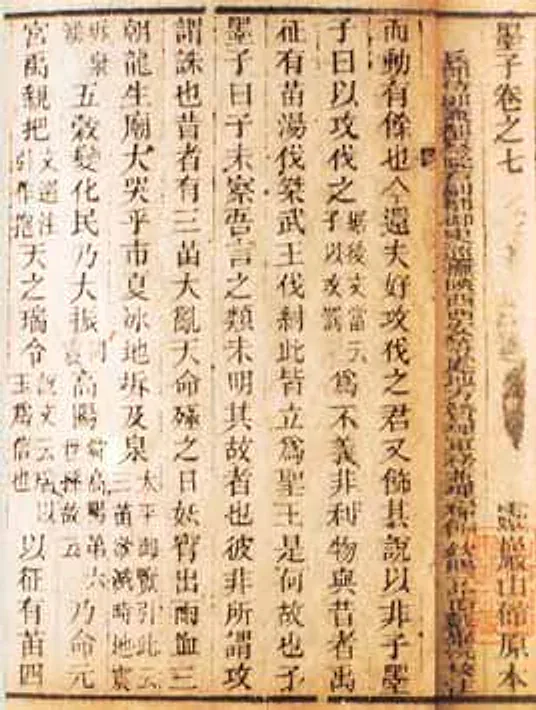
He was also, literally, an engineer. The Mohists were a disciplined corps under an appointed head, and their speciality was making cities too expensive to besiege: eleven chapters of the received text are operational manuals on walls, tunnels, signals and counter-mining. Six other chapters contain definitions, a logic of names, and empirical propositions about levers, balances and mirrors — including the observation that light through a small aperture inverts an image, which is the camera obscura, described in the fourth century BCE.
Mo Pai takes its name from him and claims descent from his organisation. The claim is the archive's central problem, because the Mohist canon is substantial, technical and detailed about its own methods, and contains no breath cultivation, no qi work, no dan tien, and none of the vocabulary the tradition uses. What his school did leave is the shape a transmitted esoteric lineage would need: secretive, hierarchical, technically expert, and disinclined to explain itself. See Mohism and the lineage article.