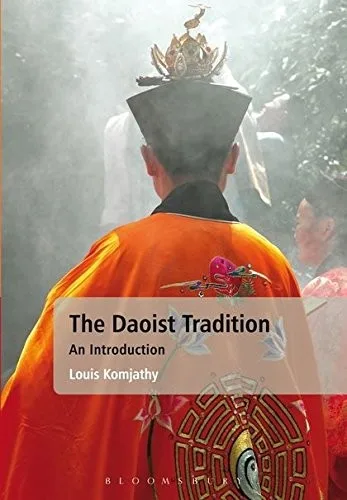
Ask what a documented internal transmission looks like and the answer is not hypothetical. Two of them are teaching now, in public, with addresses: the Taoist arts of the Wudang mountains, and the neigong of the Longmen lineage. They cover much of the same technical ground as the Mo Pai method, and comparing the two is the most useful thing a reader of this archive can do with an afternoon.
Wudang
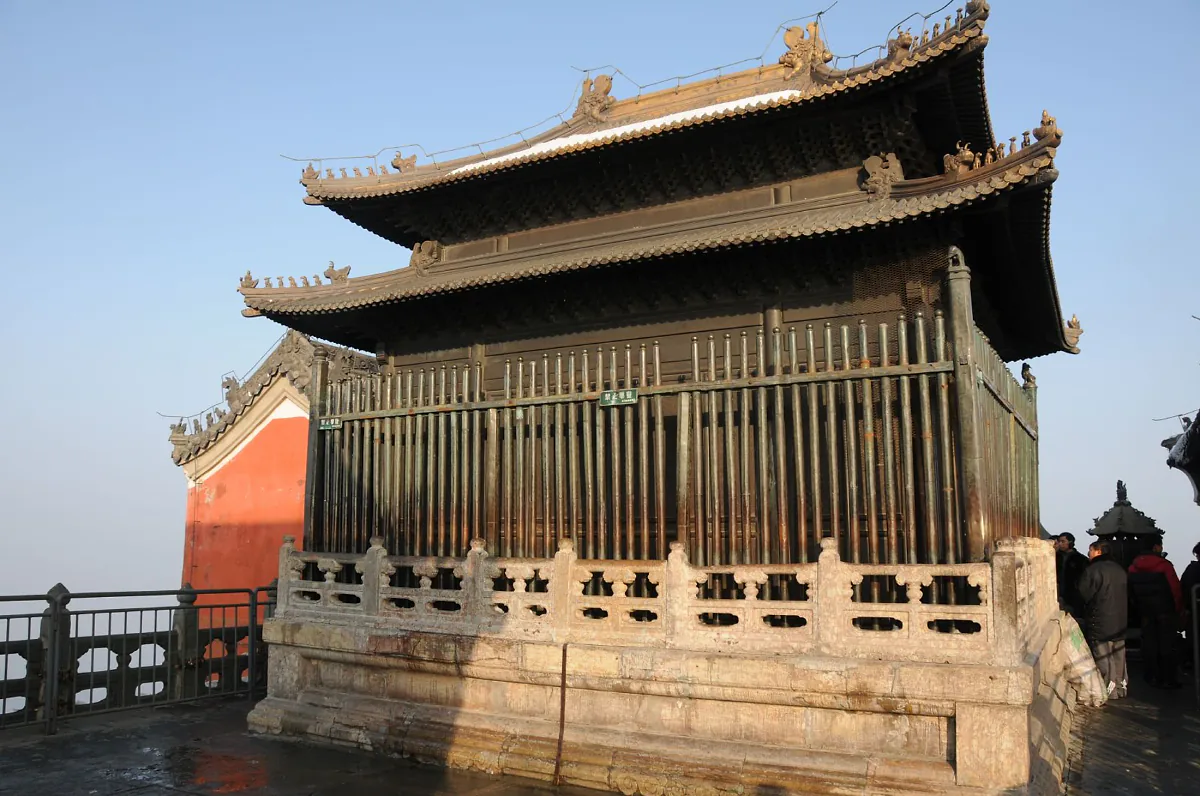
Wudang is a mountain range in Hubei and a Taoist complex built into it, on a scale that only imperial patronage explains: the Yongle emperor put an enormous building programme into these ridges in the early fifteenth century, and what survives of it is now a World Heritage site. Its presiding deity is Zhenwu, the Perfected Warrior, which is the thread connecting the mountain to martial practice long before anybody used the phrase "internal martial art".
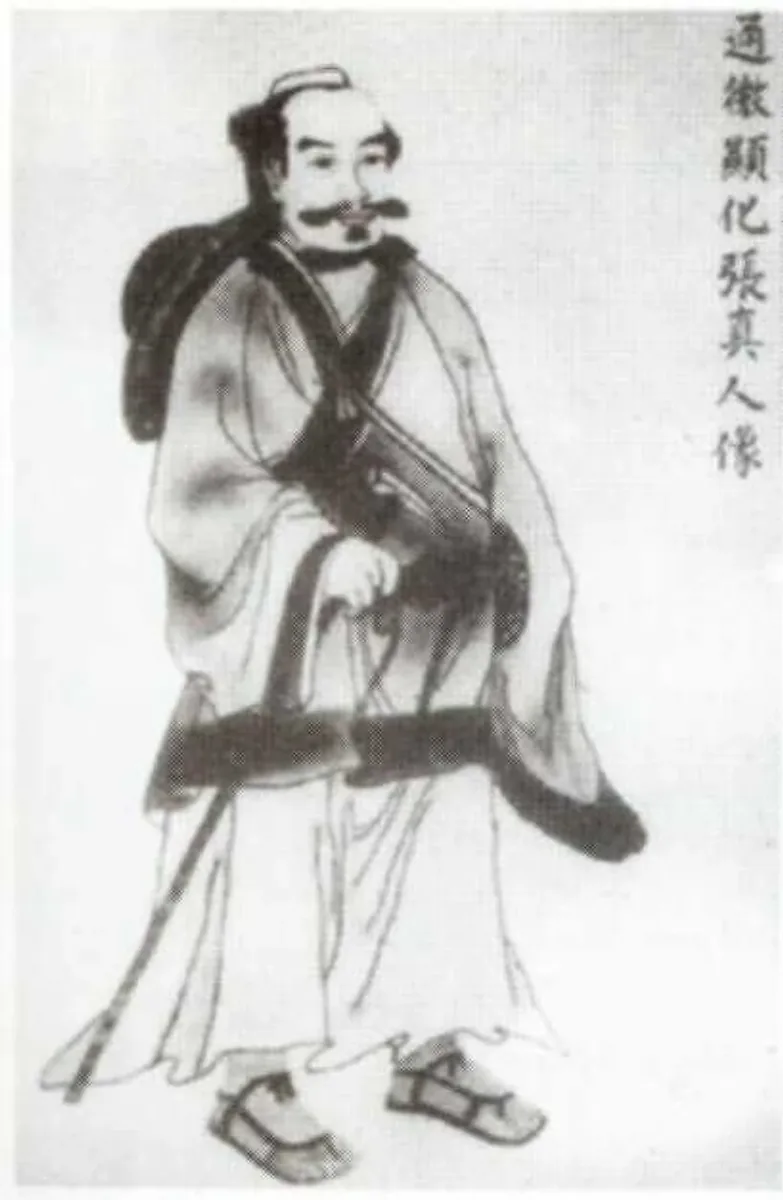
That phrase arrives with Zhang Sanfeng, the semi-legendary adept to whom the tradition attributes taijiquan and the internal arts generally. The attribution is late — it belongs to the Ming and Qing rather than to any contemporary record — and the historical figure underneath it is thin. What is not thin is what grew on top: a body of practice taught on the mountain today, to Chinese and foreign students alike, in schools that publish their curricula and charge tuition.
Longmen
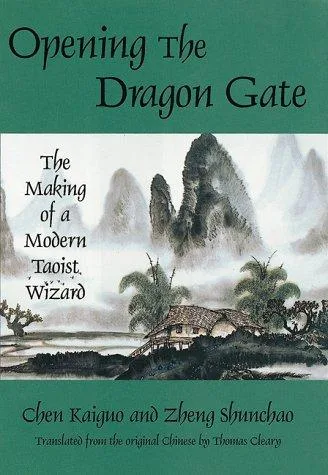
The Dragon Gate branch of Quanzhen is the monastic line, and its neigong is the one with the most literature behind it. The best-known account in English is Opening the Dragon Gate, the biography of Wang Liping — a modern holder of the lineage, trained from boyhood by three elderly monks, whose curriculum of seated work, retreat and inner alchemy is set out in enough detail to be recognisable to any reader of this archive. Fields, gates, circulation, the refinement of essence into qi: the same map, worked with a different emphasis and a great deal more supervision.
What the comparison is actually for
Not to argue that one of these is real and the other is not. The point is structural, and it runs the other way round from what a newcomer expects.
| Wudang / Longmen | Mo Pai | |
|---|---|---|
| Where it is taught | Named schools and monasteries, publicly | One teacher, privately, entry by yuanfen |
| What is published | Curricula, commentaries, biographies, video | Two books by a student and a leaked sheet |
| Who can check you | A teacher on site, in a graded system | Nobody, for most practitioners |
| What is claimed | Health, longevity, martial skill, spiritual attainment | A measurable electrical charge, demonstrable on camera |
| What has been filmed | A great deal of practice; no comparable demonstration | Four minutes, once, in 1988 |
The last row is the whole difficulty. The traditions with the institutions, the lineage documents and the living teachers make the more modest claims and can be verified on everything except the part that would matter; the tradition making the extraordinary claim is the one with almost no institutional record at all. Both halves of that sentence are worth sitting with.