Mo PaiArchive

Biography

Liu Guizhen

Populariser of the word "qigong" · 1920 – 1983

An archive plate: a card with a red rule where a title would be, three lines of text beneath it and a seal in the corner.
An archive plate. What Liu Guizhen contributed was a name and the paperwork that came with it: a category, a clinic, a textbook, and official approval. Mo Pai Archive · Drawn for this archive

The man who put an old body of practice under a new, secular, medical name in the 1950s. Almost everything the world calls qigong reaches it through his relabelling — and Mo Pai's refusal of the word is a position on it.

Life

Liu Guizhen learned breathing and meditation practices locally, used them on his own illness, and in the early 1950s developed a therapeutic programme from them which he taught at a sanatorium in Tangshan, in Hebei. The state approved; clinics opened; a textbook followed. The name the programme travelled under was qigong.

The relabelling was the achievement. Practices arriving wrapped in Taoist and Buddhist language had no future in a state clinic in the new republic; the same practices described as breath therapy had one. What he did was separate technique from cosmology, submit it to clinical framing, and make it Chinese rather than religious — one of the most successful rebrandings in the history of any traditional practice.

Mo Pai keeps the older word, nei kung, and the difference is not pedantry: qigong as constructed promises health and implies that nothing dramatic will happen, which is precisely the promise Mo Pai does not make. See how "qigong" was invented.
Their book

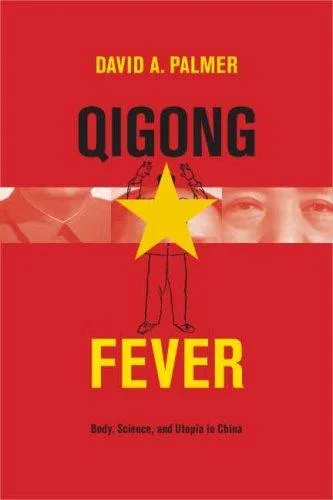
Cover of Qigong Fever: Body, Science, and Utopia in China by David A. Palmer

Qigong Fever: Body, Science, and Utopia in China

The definitive account of the 1980s–90s boom: the mass movements, the grandmasters, the state-backed research into emitted qi, and the crackdown that ended it. Essential context for the era the Ring of Fire footage…

View on Amazon

Everything this archive says about them rests on these — see Sources.

Elsewhere in the archive