Mo PaiArchive

Biography

Laozi

Attributed author of the Daodejing · Traditionally 6th century BCE

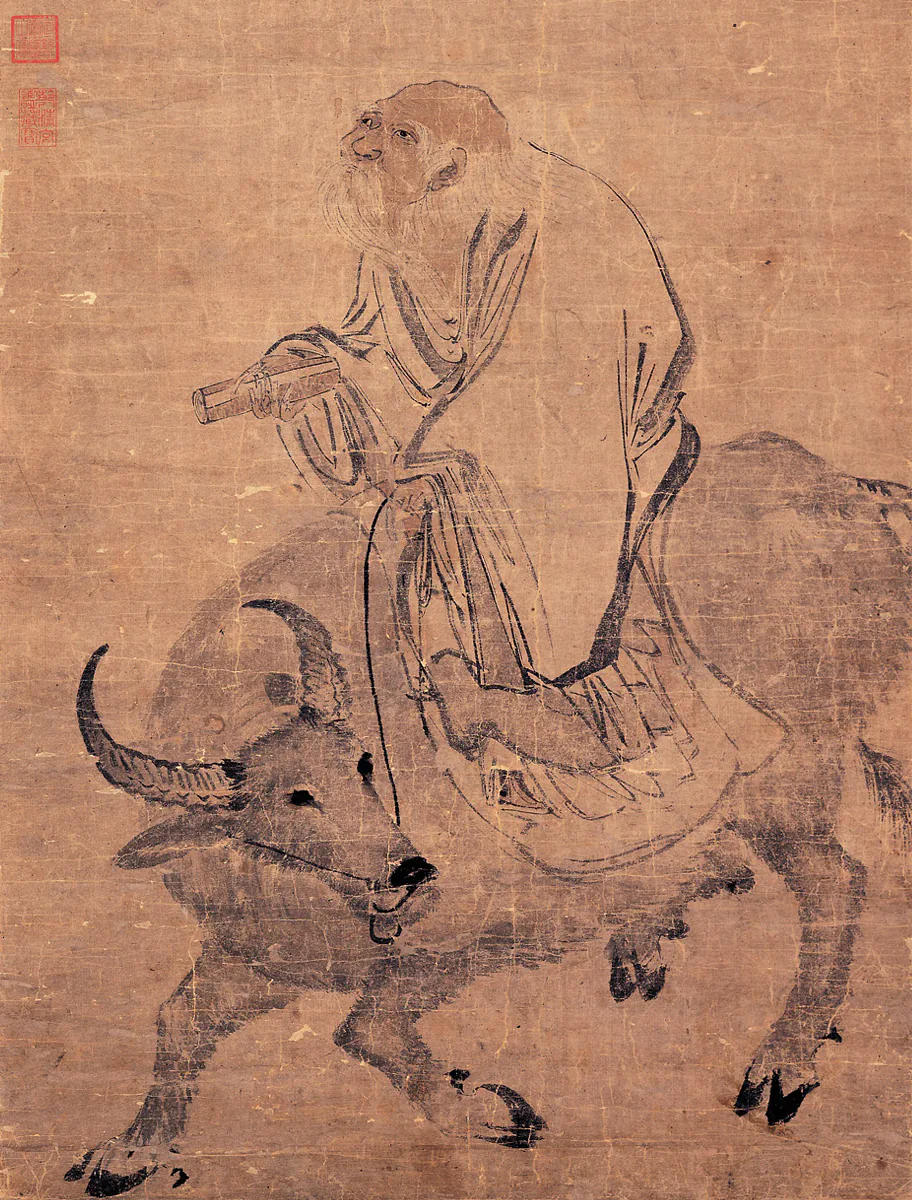
Ming-dynasty ink painting of Laozi, an old man with a long beard, seated on the back of an ox.
Laozi on his ox, painted by Zhang Lu in the Ming. The philosopher of the Daodejing was made a god by the religion that came after him — which is the whole confusion this article is about. Zhang Lu · Public domain · Wikimedia Commons

The name attached to the Daodejing, and the figure the Taoist religion later made a god of. Whether he existed as one person is unsettled and probably unanswerable; what is certain is that the text under his name became the most translated book in Chinese, and that the religion founded five centuries later did so on the authority of his revelation.

Life

Almost nothing can be said about Laozi as a person. The earliest biography, in Sima Qian's Records of the Grand Historian, already offers several incompatible accounts and admits as much — an archivist of the Zhou court, or a contemporary of Confucius, or somebody else entirely, who wrote five thousand characters at a border guard's request and rode west out of history on an ox.

The Daodejing itself is a compilation with layers, and modern scholarship treats it as the work of a tradition rather than of an author. That does not diminish it. What it contains — the Tao that cannot be named, the value of the yielding over the rigid, wu wei as action that does not force — is the philosophical stratum every later Taoist tradition builds on, including the one Mo Pai borrows its vocabulary from.

The relevant fact for this archive is what happened to him afterwards. In 142 CE Zhang Daoling reported a revelation from the deified Laozi and founded the first organised Taoist church on it. The philosopher had become a god, and the religion that followed is a different thing from the book — a distinction English loses by calling both of them Taoism. See Taoism.
Their book

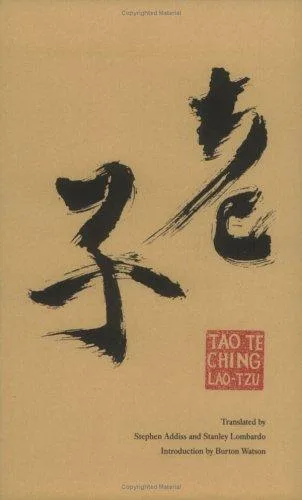
Cover of Tao Te Ching by Laozi, translated by D. C. Lau

Tao Te Ching

The root text, in the translation that stays closest to what the Chinese actually says. Nothing in it describes a practice, a level, or an energy — which is itself the most useful thing a Mo Pai reader can learn from it.

View on AmazonStart here

Everything this archive says about them rests on these — see Sources.

Elsewhere in the archive