Life
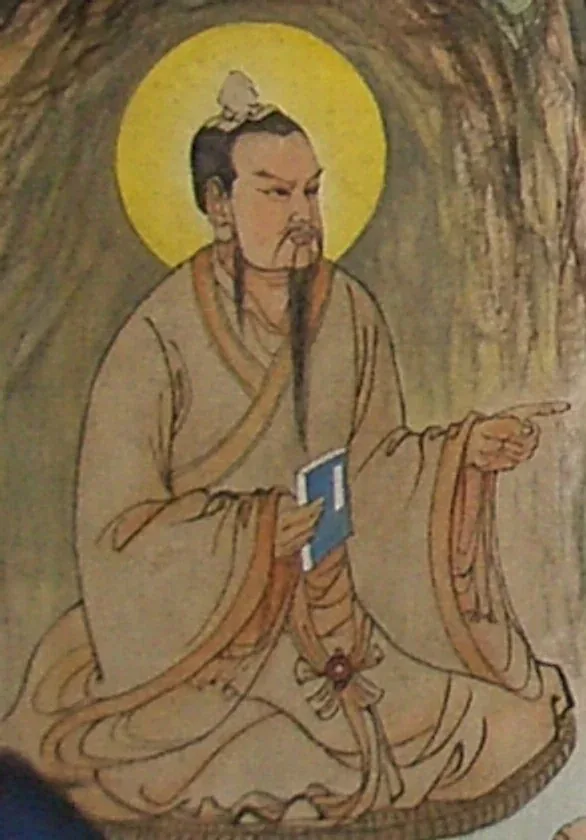
Wang Chongyang failed at a military career, spent years in what he described as a grave he dug for himself, and emerged to found an order. Quanzhen combined internal alchemy with a monastic rule, celibacy and vegetarianism, and drew openly on Buddhism and Confucianism as well as Taoism — a synthesis that made it the most successful new religious movement of its century.
He died in 1170 leaving seven senior disciples, the Seven Perfected, among them Qiu Chuji, who founded the Longmen branch. Within a century the order was one of the two dominant institutions of Chinese Taoism, and it has remained so.
The reason he is in this archive is the comparison in Wudang and Longmen neigong. Quanzhen took the same technical material Mo Pai uses and built an institution around it — a rule, a calendar, ordination grades, supervision, a published literature. Everything Mo Pai lacks, Quanzhen has; and everything Mo Pai claims to demonstrate, Quanzhen does not.