
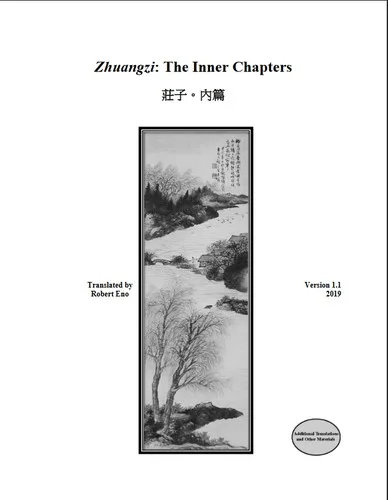
Why it is on this list
The other founding text, and far stranger. The source of the zhen ren, the "true person" who breathes with their heels — the first hint in Chinese literature that a realised person breathes differently.
The other founding text, and far stranger. The source of the zhen ren, the "true person" who breathes with their heels — the first hint in Chinese literature that a realised person breathes differently.
Related article: Taoism, and Where Mo Pai Sits in It
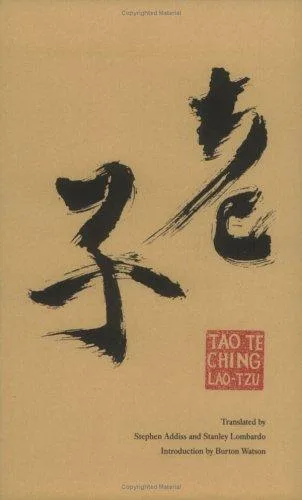
The root text, in the translation that stays closest to what the Chinese actually says. Nothing in it describes a practice, a level, or an energy — which is itself the most useful thing a Mo Pai reader can learn from it.
View on AmazonStart here
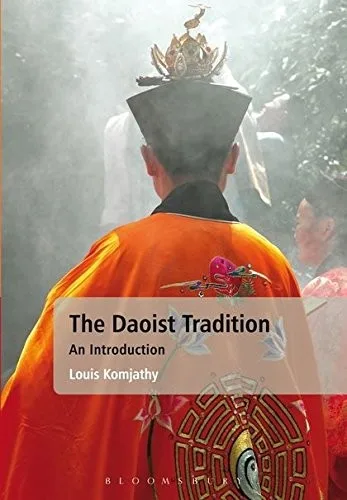
A single-volume survey by a scholar-practitioner: history, schools, ordination, cosmology and practice in one place. The fastest way to see how much apparatus Mo Pai is missing.
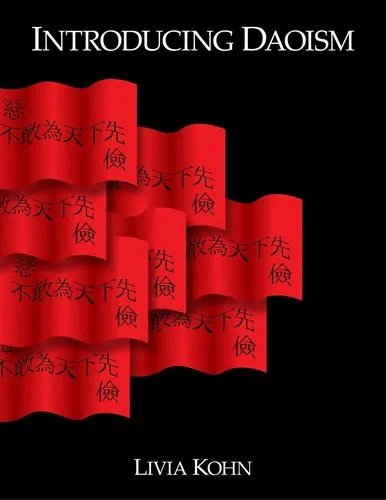
The standard teaching introduction, and the clearest short account of the daojia / daojiao distinction that English collapses into one word.
The history of the organised religion, from the Celestial Masters in 142 CE to the Ming. Rigorous, and the corrective to the idea that Taoism is a philosophy of going with the flow.
Translation and study of the Neiye, c. 4th century BCE — the earliest text describing the cultivation of qi through posture, breath and stillness. Everything on this site descends from the proposition in this small book.
Two volumes, and the reference to check anything against. Entries on neidan, dan tien, jing, qi, shen, yang shen, shi jie and every other term in this archive's glossary.